
How to Spot a Counterfeit 10 Dollar Bill: A Complete Guide to Protect Your Cash

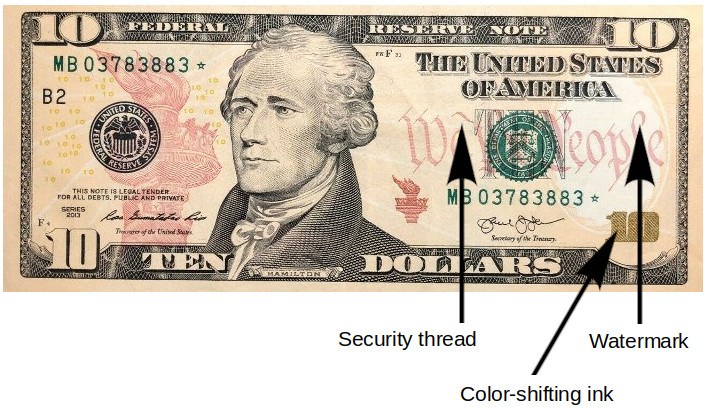
In today’s fast-paced world, cash transactions are still a daily necessity—but so is the risk of counterfeit currency. Knowing how to spot a counterfeit 10 dollar bill is an essential skill that can save you from financial loss and help you stay one step ahead of fraudsters. Whether you’re a business owner, cashier, or simply a vigilant consumer, understanding the key security features of genuine currency can make all the difference.
Let’s break down the most effective and easy-to-remember ways to identify a fake $10 bill with confidence.
1. Feel the Texture of the Paper
Authentic U.S. currency is printed on a unique blend of cotton and linen, giving it a distinct texture that feels slightly rough—not smooth or waxy like regular paper. If the bill feels unusually soft, flimsy, or overly crisp, it may be counterfeit. Developing a habit of quickly checking the feel can instantly raise a red flag.
2. Check the Color-Shifting Ink
One of the most recognizable security features is the color-shifting ink on the number “10” located in the lower right corner. When you tilt the bill, the color should shift from copper to green. If the number remains static in color, you could be holding a fake.
3. Look for the Security Thread
Hold the bill up to the light to locate the embedded security thread. On a genuine $10 bill, this thin strip runs vertically and is imprinted with the words “USA TEN.” Under ultraviolet (UV) light, the thread glows orange. Missing or incorrectly placed threads are a strong indicator of counterfeit money.
4. Inspect the Watermark
Another crucial feature is the watermark portrait of Alexander Hamilton, which is visible when the bill is held up to light. This faint image should match the main portrait on the front. If there’s no watermark—or if it looks different—it’s likely a fake.
5. Examine the Fine Printing Details
Genuine currency includes incredibly fine lines and intricate printing that are difficult to replicate. Check for blurred edges, smudged ink, or inconsistent fonts. Pay close attention to the borders and the text—counterfeit bills often fail in these small but telling details.
Read More: how to spot a counterfeit 100 bill
6. Verify the Serial Numbers
Each authentic $10 bill has a unique serial number printed twice on the front. The numbers should match perfectly and be evenly spaced. Misaligned, duplicated, or poorly printed serial numbers are common signs of counterfeit currency.
7. Use a Counterfeit Detection Pen
For an added layer of security, many retailers use a counterfeit detection pen. When applied to genuine currency, the mark remains light or invisible. On fake bills made from starch-based paper, the mark turns dark. While not foolproof, it’s a quick and helpful screening tool.
Stay Alert and Protect Your Money
Learning how to detect counterfeit money isn’t just for professionals—it’s a practical skill for everyone. By combining visual inspection, touch, and simple tools, you can confidently identify fake bills and avoid costly mistakes.
In a world where counterfeiters are constantly improving their techniques, staying informed is your best defense. Make these checks part of your routine, and you’ll not only protect your finances but also contribute to a safer, more secure economy.
Stay sharp, stay informed—and never let fake money fool you.

