
How To Make Prop Note

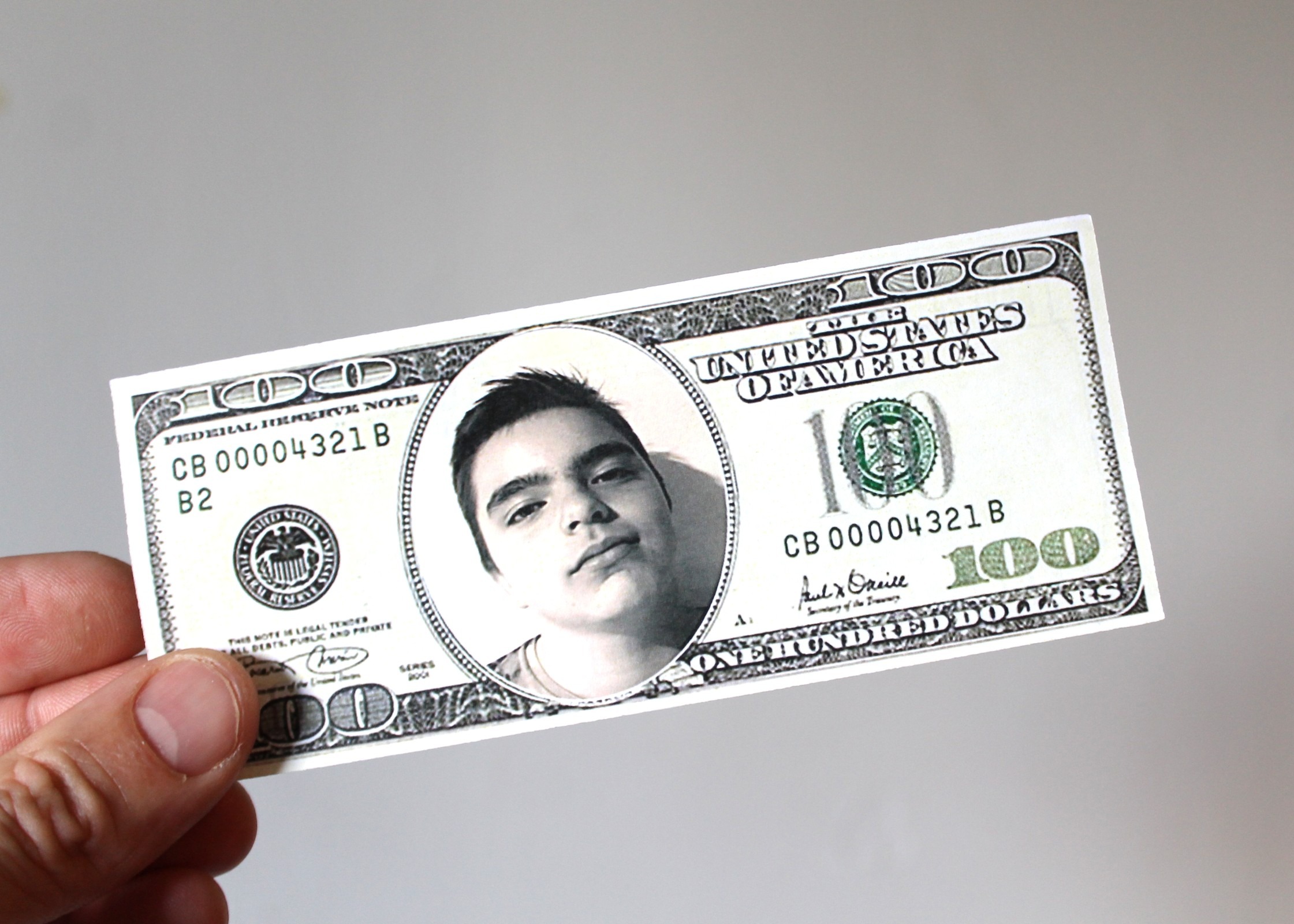
Have you ever watched a film scene featuring a briefcase bursting with cash and wondered—where does that money come from? The answer lies in the meticulous world of prop money creation. Whether you’re an independent filmmaker, a theater production designer, or an event planner looking to add realistic flair to your next casino night, understanding how to make prop note currency is an essential skill that bridges craftsmanship with visual storytelling.
The demand for authentic-looking prop money has exploded in recent years, driven by the booming film industry, the rise of music video production, and the popularity of themed events. But creating convincing prop notes isn’t simply about printing paper and calling it a day. It requires attention to detail, an understanding of legal requirements, and a commitment to safety protocols that protect both creators and audiences.
In this comprehensive guide, we’ll walk you through everything you need to know about how to make prop note currency that looks incredible on camera while remaining fully compliant with regulations. From essential materials and printing techniques to distressing methods for that “used cash” appearance, you’ll learn the trade secrets that professional prop masters have perfected over decades in the entertainment industry .
Understanding the Legal Landscape of Prop Money Creation
Before we dive into the creative aspects of how to make prop note currency, we must address the legal framework that governs prop money production. This isn’t just bureaucratic red tape—it’s essential knowledge that protects you from serious legal consequences.
Legal Requirements for Prop Currency
In most countries, creating prop money that too closely resembles real currency is illegal. The key is to ensure your prop notes are clearly distinguishable from real banknotes while maintaining the visual appeal needed for film and photography . Here are the critical requirements:
Size Variations: Professional prop money must differ in size from real currency. Most film prop notes are either slightly larger or smaller than genuine banknotes—typically by at least 25% in either direction. This size difference ensures that even in close-up shots, the props cannot be mistaken for real money.
Clear Markings: Every prop note must bear obvious markings indicating it’s not legal tender. Common markings include “PROPERTY OF MOTION PICTURE COMPANY,” “FOR MOTION PICTURE USE ONLY,” or “SPECIMEN” printed prominently on both sides. These markings should be visible under normal viewing conditions.
Color Distinctions: While prop money should read as realistic on camera, the colors should differ slightly from real currency when examined closely. Many professional prop makers use color variations that photograph authentically but are visibly different in person.
One-Sided Printing: Most film industry prop money is printed on only one side. When stacked, the printed side faces the camera while the blank sides face each other, creating the illusion of real currency while eliminating any risk of circulation.
Penalties for Non-Compliance
The consequences of creating prop money that violates these standards can be severe. Counterfeiting laws carry heavy fines and potential imprisonment, even when the intent was purely artistic. Always err on the side of caution and consult legal resources or industry guidelines before beginning production .
Essential Materials and Tools for Prop Note Creation
Now that we understand the legal boundaries, let’s explore the materials you’ll need to master how to make prop note currency that looks professionally crafted.
Paper Selection
The choice of paper dramatically affects how your prop notes appear on camera and handle during production:
Standard Bond Paper (80-100gsm) : Ideal for most applications, bond paper provides good opacity and takes ink well. It’s affordable and readily available, making it perfect for large production runs where hundreds of notes are needed.
Premium Matte Paper (120-150gsm) : For hero props—notes that will appear in close-ups or be handled by lead actors—heavier matte paper offers superior durability and a more authentic feel. The matte finish reduces glare under studio lighting, ensuring your props photograph beautifully.
Textured Paper: Some prop makers use paper with subtle textures to mimic the unique feel of banknote paper. While you won’t replicate the security features of real currency, textured paper adds an extra layer of authenticity for high-end productions.
Printing Equipment
Your choice of printer significantly impacts the final result:
High-Resolution Inkjet Printers: Modern inkjet printers with resolutions of 4800 dpi or higher can produce stunning detail that reads authentically on camera. The key advantage of inkjet is the ability to print on various paper types and weights.
Laser Printers: For productions requiring large quantities of prop money, laser printers offer speed and consistency. Toner-based printing also tends to be more resistant to smudging during handling, which is crucial for scenes involving repeated takes.
Professional Printing Services: For major productions, many filmmakers outsource prop money creation to specialized printing companies that have already navigated the legal requirements and can deliver consistent, compliant product at scale .
Design Software
Creating the actual note designs requires capable software:
Adobe Photoshop: The industry standard for prop design, Photoshop offers unparalleled control over every element of your notes. You can precisely control color, add aging effects, and create templates for mass production.
Adobe Illustrator: For designs requiring clean lines and scalable elements, Illustrator’s vector-based approach ensures your notes remain crisp at any size.
Free Alternatives: GIMP (GNU Image Manipulation Program) and Canva offer accessible entry points for creators on tight budgets. While they lack some advanced features, both can produce perfectly serviceable prop designs.
Step-by-Step Process: How to Make Prop Note Currency
With materials assembled, let’s walk through the actual creation process. Follow these steps to produce professional-quality prop money for your next project.
Step 1: Design Your Prop Notes
The design phase is where your vision takes shape. Start by researching the general appearance of the currency you’re emulating without copying specific security features.
Choose Your Denomination and Style: Decide whether you need British pounds, US dollars, euros, or a fictional currency. For most productions, generic designs that suggest money without mimicking any real currency are safest and most versatile.
Create Your Template: In your design software, set up a document at your chosen prop size—remembering to make it distinctly different from real banknote dimensions. Include all necessary legal markings prominently.
Add Authentic Elements: Incorporate design elements that suggest currency: portraits, architectural imagery, intricate borders, and serial numbers. The goal is visual suggestion, not exact replication.
Include Required Markings: Ensure your design clearly displays “PROP MONEY” or similar disclaimers in multiple locations. These should be visible without being distracting in your final shots .
Step 2: Test Prints and Color Calibration
Before committing to a full production run, create test prints to verify your design works as intended.
Print Single Notes: Run a few test prints on your chosen paper and examine them under various lighting conditions. How do they look in bright studio light? In dim practical lighting? On camera?
Adjust Colors: Real currency has subtle color variations that read as “money” to viewers. Tweak your colors until they achieve that authentic feel while remaining legally compliant.
Check Readability of Markings: Verify that your required legal markings are clearly visible without special equipment. If they’re too subtle, increase contrast or size.
Step 3: Mass Production Techniques
Once your design is finalized, it’s time to produce your prop notes efficiently.
Create Print Layouts: Design print layouts that maximize paper usage while maintaining consistent quality. Most designers fit multiple notes per sheet, leaving room for cutting guides.
Print in Batches: For large productions, print in manageable batches to maintain quality control. Check each batch for consistency before proceeding.
Quality Control: As prints emerge, spot-check for printing errors, color variations, or paper defects. It’s far better to catch issues early than to discover problems on set.
Step 4: Cutting and Finishing
Professional-looking prop money requires clean, consistent cutting.
Use a Guillotine Cutter: For straight, consistent cuts across multiple sheets, a guillotine paper cutter is essential. These tools handle thick stacks cleanly and maintain alignment.
Corner Rounding: Real banknotes have rounded corners. Invest in a corner rounder punch to add this subtle but important detail to your prop notes.
Edge Distressing: For “used” money, gently distress the edges with fine sandpaper or by rubbing stacks together. This adds microscopic wear that reads as authentic age on camera .
Step 5: Adding Authentic Details
Elevate your prop money from good to great with these professional touches.
Aging Techniques: For scenes requiring weathered cash, consider these methods:
- Lightly spray with diluted coffee or tea for a aged appearance
- Gently crumple and then flatten notes
- Apply very dilute washes of brown or gray watercolor
- Rub notes against each other to create subtle wear patterns
Stack Banding: Real banknotes come in banded stacks. Create authentic-looking bands using paper straps printed with banking details, or use real currency straps (modified with prop markings) for ultimate authenticity.
Serial Number Variation: For hero props, vary the serial numbers across notes. This level of detail won’t register with most viewers but adds authenticity for close-up photography.
Professional Applications: Prop Money for Different Productions
Understanding how to make prop note currency isn’t one-size-fits-all. Different productions require different approaches.
Film and Television Production
For professional film and TV work, prop money must withstand the rigors of production while maintaining consistent appearance across multiple takes and shooting days.
Durability Requirements: Film sets are demanding environments. Prop notes may be handled repeatedly, stuffed into bags, thrown into the air, or even subjected to simulated water damage. Production teams often order multiples of each note type to account for wear and loss.
Quantity Considerations: A single scene might require hundreds of notes. For “money room” scenes featuring walls of cash, productions often combine fully-printed hero notes with blank “filler” notes that only show edges, dramatically reducing printing costs while maintaining visual impact.
Theater Productions
Stage productions have unique requirements for prop money.
Visibility from Distance: Theater audiences view props from far away, so stage money often features exaggerated colors and sizes that read clearly from the back row. The subtle details needed for film close-ups become irrelevant on stage.
Durability for Repeated Performances: Stage props endure repeated use across multiple performances. Theater prop money often requires lamination or heavy paper stock to survive an entire run.
Event and Party Applications
Casino nights, birthday parties, and corporate events create different demands.
Theme Integration: Event prop money can be customized with event branding, logos, or special messages. Many event planners order prop notes featuring the host company’s branding for corporate functions.
Quantity vs. Quality: For events where money is scattered as decoration, lower-cost options with simplified printing often suffice. The focus shifts from close-up authenticity to overall visual impression.
Photography and Social Media Content
The rise of influencer culture has created new demand for photogenic prop money.
Camera-Ready Design: Social media content requires prop money that photographs beautifully under various lighting conditions. Bright, clean designs with good contrast perform best.
Portability: Content creators often shoot on location, so prop money must be portable and durable enough for travel between shoots.
Safety and Handling Considerations
Professional prop money creation extends beyond aesthetics to include practical safety considerations.
On-Set Safety
Fire Safety: Paper props near lights or pyrotechnics require fire-retardant treatment. Consult with your safety coordinator about treating prop money for fire scenes.
Confetti and Explosions: For money explosion scenes, prop notes are often perforated or specially cut to separate cleanly during the effect. This requires advance planning during the production phase.
Storage and Transport
Organized Storage: Keep prop money organized by type and condition. Many productions use archival boxes with dividers to maintain separation between pristine and distressed notes.
Security During Transport: When transporting large quantities of prop money, use nondescript containers and maintain chain of custody. Even though it’s not real currency, large stacks of prop money can attract unwanted attention.
Disposal and Reuse
Proper Disposal: At production end, prop money should be destroyed or clearly marked for non-circulation. Many productions shred excess prop money to prevent any possibility of confusion.
Reuse Considerations: Prop money can often be reused across productions if properly stored and maintained. However, heavily distressed or damaged notes should be retired.
Troubleshooting Common Prop Money Challenges
Even experienced prop masters encounter issues. Here’s how to address common problems.
Color Inconsistency
If your prop notes show color variation across print runs:
- Calibrate your printer before each session
- Use paper from the same batch for each production
- Print color reference sheets to compare against
- Consider professional printing for critical scenes
Curling and Warping
Paper notes often curl, especially in humid conditions:
- Store stacks under light weight
- Use humidity-controlled storage
- Consider heavier paper stock for future productions
- Allow printed notes to rest under weight before use
Ink Smudging
If ink transfers during handling:
- Ensure adequate drying time before stacking
- Use quick-dry paper settings
- Consider laser printing for smudge resistance
- Apply fixative spray for critical hero props
Camera Glare
If lighting creates unwanted reflections:
- Switch to matte paper
- Adjust lighting angles on set
- Apply matte spray to finished notes
- Position notes to minimize direct light reflection
Conclusion: Mastering the Art of Prop Money Creation
Learning how to make prop note currency opens up creative possibilities for filmmakers, content creators, and event professionals alike. The process combines artistic vision with practical craftsmanship, legal awareness, and attention to detail that elevates productions from amateur to professional.
Remember that the best prop money serves the story without drawing attention to itself. When you’ve mastered these techniques, audiences will never question whether that briefcase full of cash looks real—they’ll be too immersed in your narrative to notice.
Start with small batches, experiment with techniques, and always prioritize legal compliance. As your skills grow, you’ll develop the confidence to tackle increasingly complex prop money needs, from period-specific currency to futuristic banknotes for science fiction productions.
The next time you watch a film featuring a thrilling money scene, you’ll appreciate the craftsmanship behind those fleeting frames. And with this guide in hand, you’re ready to create that same magic for your own productions.

