
Who Creates the Credit Card Skimmer

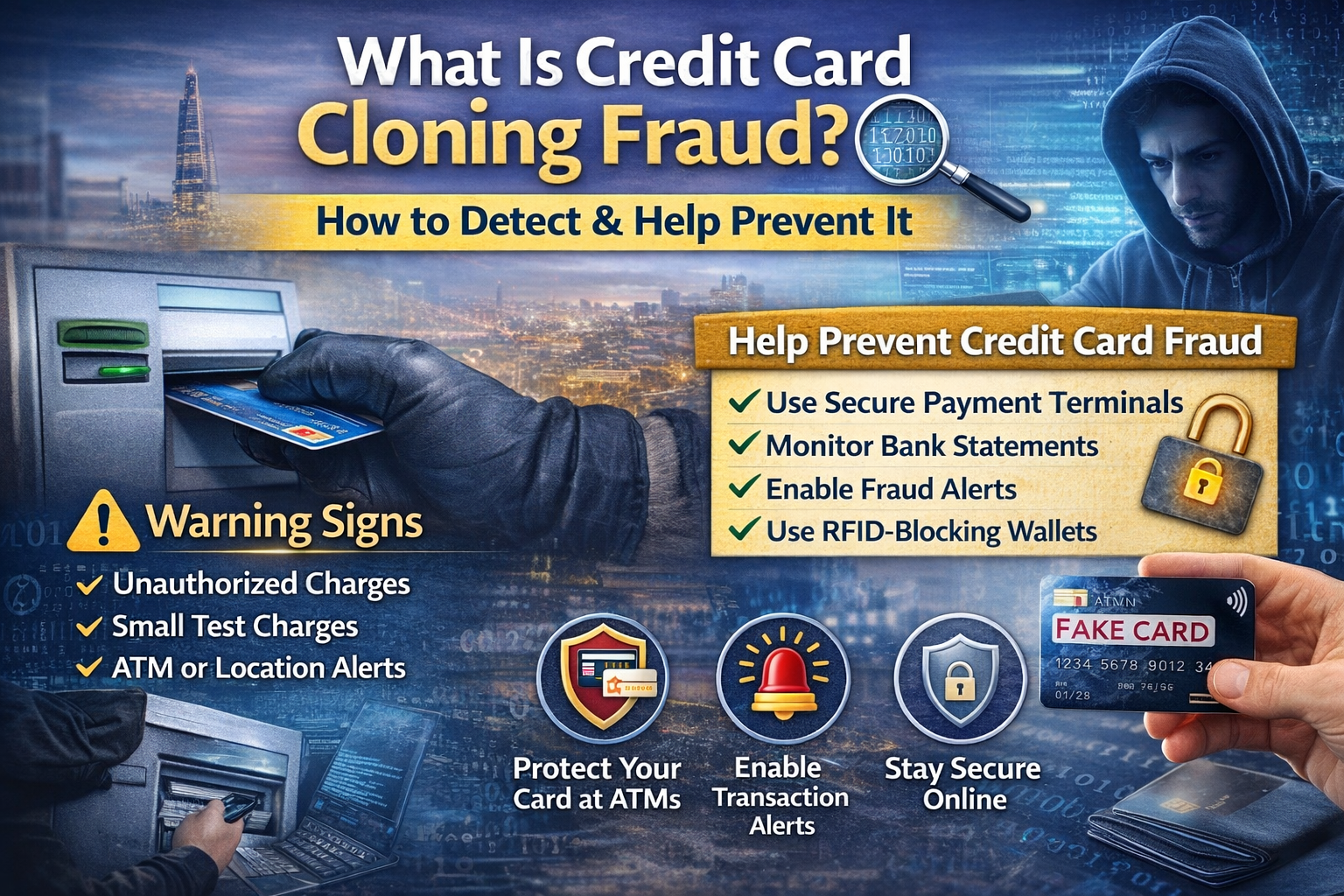
In the shadowy ecosystem of financial cybercrime, the credit card skimmer represents a perfect fusion of precision engineering and malicious intent. These devices—whether physical overlays on ATMs or invisible lines of JavaScript on e-commerce sites—don’t materialize out of thin air. They are the brainchildren of a diverse and highly specialized underworld of creators. Understanding who creates the credit card skimmer is the first step in grasping the scale of the global fraud epidemic and protecting your business from its devastating reach.
The Godfathers of Skimming: From Garden Sheds to Global Empires
The image of a lone hacker in a dark room is misleading. The creation of physical skimmers is often orchestrated by sophisticated criminal enterprises. One of the most notorious examples is Alexandru Sovu, a Romanian fugitive once branded the “world’s biggest bank robber.”
Sovu wasn’t just stealing data; he was an industrialist of fraud. Operating from an unassuming garden shed in Essex, England, his company—brazenly named CardReaderFactory Ltd—mass-produced thousands of high-quality skimming devices. A computer programming and electronics graduate, Sovu treated skimmer production like a legitimate business, filing annual accounts while his creations were sold to organized crime groups across the globe for up to £1,500 each. His story illustrates a key truth: the creators of these devices are often highly skilled engineers who leverage global supply chains, manufacturing components in places like Shenzhen, China, to evade law enforcement.
The Rise of the Digital Artisan: 3D Printing and Precision Manufacturing
Gone are the days of bulky, easily detectable skimmers. Today’s creators are digital artisans who utilize cutting-edge technology to achieve the perfect fit. The advent of 3D printing has revolutionized skimmer production.
Criminals using handles like “Gripper” have been active on underground forums, advertising custom-made skimmers produced with the help of 3D printing facilities, often outsourcing the physical manufacturing to firms in China. This technology allows them to create precise, model-specific overlays for ATMs and point-of-sale (POS) terminals that look and feel exactly like the original equipment. In Australia, police have reported gangs using CAD software and 3D printers to create devices so accurate they fit internally into the card slot, making them nearly invisible to the average user. The ability to rapidly prototype, tweak designs, and produce on demand has made the credit card skimmer a feat of custom criminal engineering.
The Dark Innovators: Beating Chip Technology
As security measures evolved, so did the creators. When the world moved to EMV (chip) cards, many thought skimming was over. The criminals simply innovated. Researchers have uncovered individuals selling devices capable of targeting chip readers, with one website offering “the most advanced EMV chip data collector in the world.”
These devices are terrifyingly sophisticated. They are designed to be installed in seconds, fit so snugly into the card slot that they require a flashlight to detect, and can capture data from terminals manufactured by giants like Ingenico and Verifone. The creators of these EMV skimmers often target regions with static data authentication, proving that the creators are not just tech-savvy, but also deeply knowledgeable about global financial system vulnerabilities.
The Silent Thieves of the Web: The Magecart and E-Skimmer Developers
Today, the most prolific creators of skimmers aren’t handling hardware at all. They are coders. The digital equivalent of the physical credit card skimmer is the Magecart attack—malicious JavaScript injected into e-commerce checkout pages.
These developers create code that sits silently on shopping sites, waiting to harvest credit card details the moment a customer hits “pay.” Groups like the infamous CaramelCorp, a Russian-based service, have turned this into a business model, selling “skimmer-as-a-service” for around $2,000 for a lifetime subscription. They offer easy-to-deploy gateways, obfuscation tools to avoid antivirus scanners, and even management panels to monitor stolen data.
The sophistication continues to rise. In 2020, Visa issued a warning about a new e-skimmer dubbed “Baka.” Created by a highly skilled malware developer, Baka used unique encryption parameters for each victim and could remove itself from memory to avoid detection, representing a significant leap in digital skimming technology. More recent campaigns, like the Kritec skimmer, hide malicious code within legitimate scripts like Google Tag Manager, customizing the theft for each victim site in multiple languages.
The Industrialization of Fraud: Manufacturing and Supply Chains
The creation of skimmers has become an industrialized process. Evidence from sourcing websites shows active requests for ATM Credit Card Skimmer units, with manufacturers in Shenzhen and Jinan, China, ready to provide quotations. This global supply chain means that a criminal in South Africa can order a custom-built skimmer from a manufacturer in China, who may be using electronic components sourced from another country. This globalization of fraud makes it incredibly difficult for authorities to track and dismantle these operations at the source.
Protecting Your Business from the Creators
Understanding the enemy is half the battle. Whether it’s a physical device engineered to blend in or a digital script engineered to hide, the creators of credit card skimmers are constantly evolving. For merchants and businesses, this means reactive security is not enough.
- For Physical Security: Regular, rigorous inspections of all POS terminals and ATMs are crucial. Look for mismatched colors, bulky card slots, or loose components.
- For E-commerce Security: Implement recurring checks for unauthorized code, closely vet third-party scripts, and consider using a fully hosted checkout solution to isolate payment data.
Conclusion
The question of “who creates the credit card skimmer” reveals a diverse landscape of criminals: from industrialists like Alexandru Sovu operating out of sheds, to digital artisans using 3D printers, to elite coders selling access to digital skimming platforms on the dark web. They are engineers, entrepreneurs, and hackers who have identified vulnerabilities in our payment systems.
Don’t let your business become a statistic. Stay vigilant, invest in robust security measures, and ensure your payment systems are protected against both the physical overlays of the past and the invisible JavaScript threats of today.

